At Harley School, Seniors Spend a Year Sitting With the Dying
The Short Version
- Roughly 60-70% of Harley seniors choose this year-long hospice elective — not because they have to, but because students tell other students.
- Students provide direct care to approximately 50 dying patients each year at two Rochester comfort care homes, going well beyond observation.
- The program closes with a Remembrance Day ceremony held a few weeks before graduation, where seniors share what the year actually did to them.
- Nationally, 86% of teachers say death education is necessary but 90% lack the training to provide it — Harley has been doing this for over 20 years.
- Former students report that when a parent or grandparent was dying, they knew how to help because of this class.
The Harley School hospice program is not a simulation, not a field trip, but a year spent inside the lives of people who are dying.
A Year-Long Elective, Not a Field Trip
A Year-Long Elective, Not a Field Trip
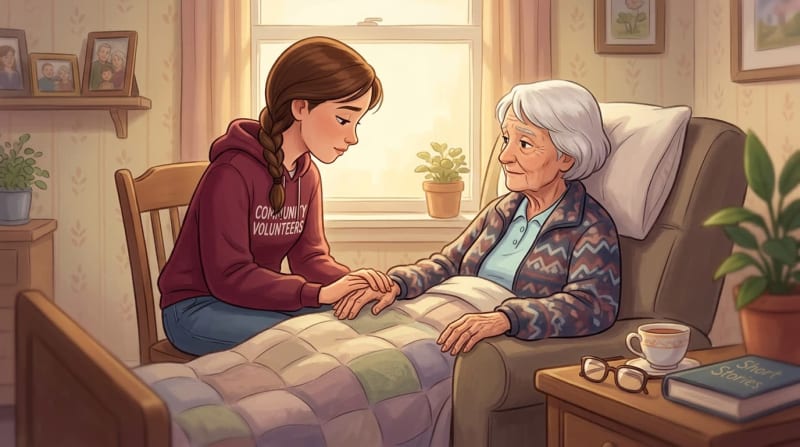
The program runs the full senior year. Students attend daily classroom sessions and complete a minimum of 8 hours per month of hands-on fieldwork at local comfort care homes — all of it earning full academic credit. This is not service-learning stapled to another class. It is its own course, with its own rigor.
Roughly 60-70% of Harley seniors elect it each year, a share that grew from an original enrollment of 9 students when the program launched more than 20 years ago. The growth was not driven by institutional mandate. Students told other students.
What Happens Inside a Comfort Care Home
What Happens Inside a Comfort Care Home
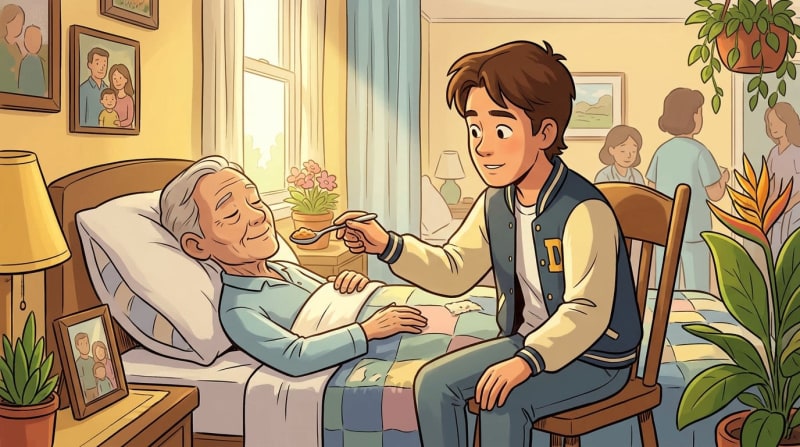
Students work alongside patients, not near them. Each year, they provide direct assistance to approximately 50 people across two private comfort care homes — companionship, meal preparation, feeding, bedside presence.
The students are shaped by the patients as much as they shape the room.
The Classroom Running Alongside the Bedside
The Classroom Running Alongside the Bedside
Before students work with real patients, they train on mannequins. Classroom sessions address different forms of loss. Field trips go to cemeteries, crematoriums, and funeral homes, places most adults only enter when they have no choice.
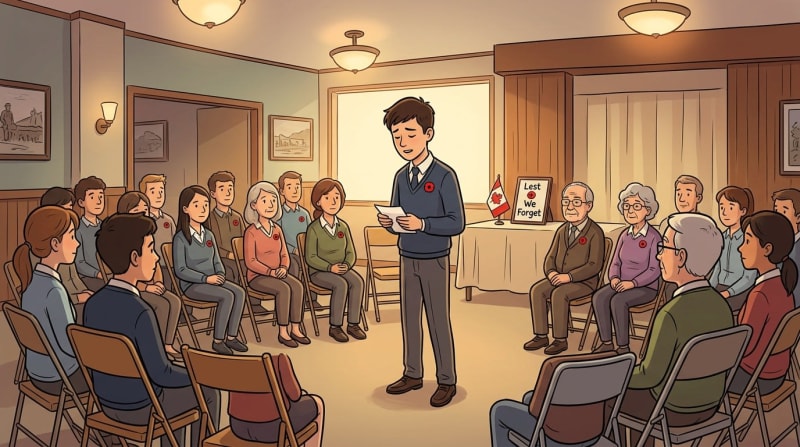
The year ends with a Remembrance Day ceremony held a few weeks before graduation. Seniors share what the year actually did to them — not what they learned in the abstract, but what shifted. The timing is deliberate: it sits between the work and the diploma.
What the Harley School Hospice Program Leaves Behind
What the Harley School Hospice Program Leaves Behind
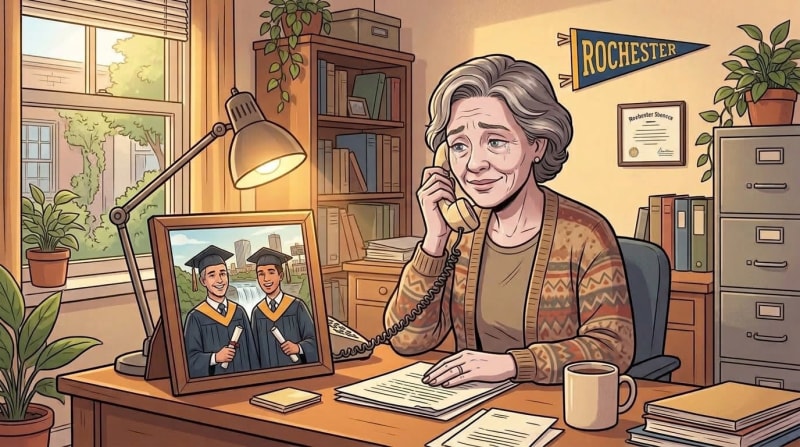
Sybil Prince hears from graduates years after they've left. The pattern is consistent: when a parent or grandparent was dying, they knew what to do because of this class. Some went into medicine, nursing, funeral home administration, and postmortem services — fields that depend on exactly the capacity this course builds.
Nationally, 86% of teachers say bereavement education is necessary, but 90% report lacking the training to provide it. On average, two children in every classroom are actively grieving someone close to them. Harley has been running this program for more than two decades. Seniors who choose it start in September and close the year with the Remembrance Day ceremony in spring, a few weeks before they graduate.
Content ID: g1J0806H5E5tcoDo9lrRw7gn
See an error? Tell us.

Comments
Share with the Community