Rochester School for the Deaf Turns 150: Celebrating a Community Cornerstone
The Short Version
- The Rochester School for the Deaf opened in October 1876 as the Western New York Institution for Deaf Mutes — 150 years of continuous operation make it one of the country's oldest Deaf schools.
- Rochester is home to one of the largest Deaf communities per capita in the nation, and RSD is a central reason why.
- The school originated the Rochester Method of fingerspelling, an educational approach that spread through Deaf education programs nationally.
- Patti Canne, RSD class of 1981 and now a URMC social worker, calls the school her 'second home' — a sentiment common among graduates who found belonging before credentials.
- RSD is one of eleven Section 4201 schools publicly funded by New York State — an important institution that rarely gets the public attention its 150-year record warrants.
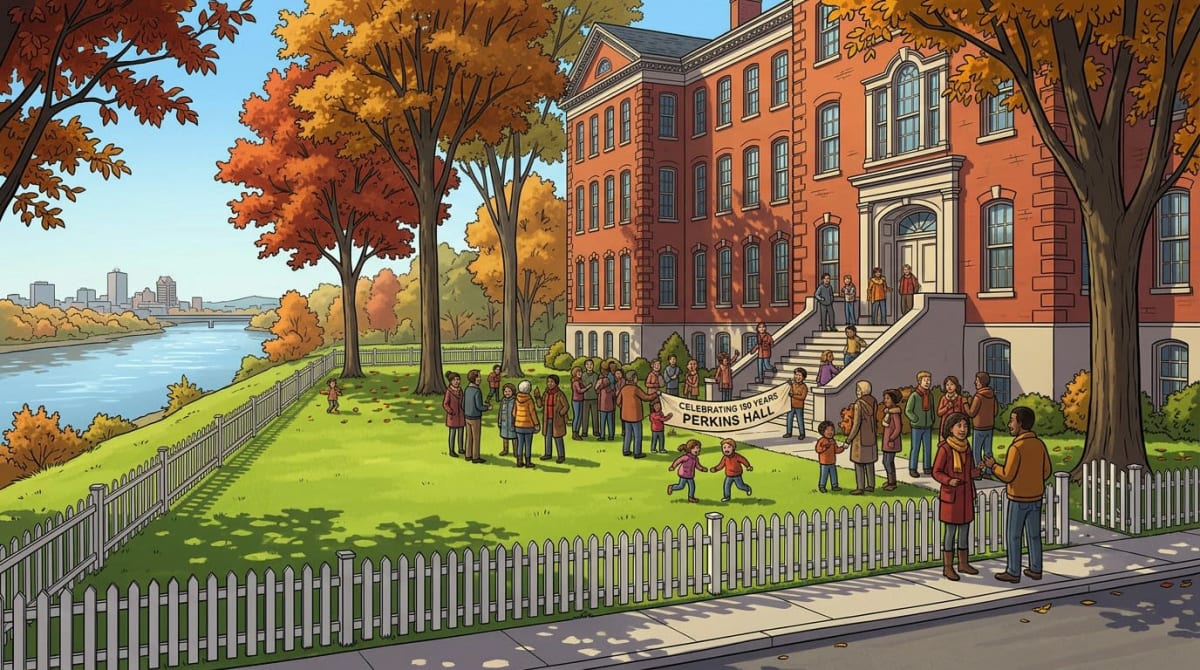
This fall, the Rochester School for the Deaf marks 150 years since it first opened its doors. The school began in October 1876 as the Western New York Institution for Deaf Mutes, took its current name in 1920, and has operated continuously since. In Rochester, that continuity helped build one of the largest Deaf communities per capita in the nation.
Rochester School for the Deaf: From 1876 to Today
Rochester School for the Deaf: From 1876 to Today
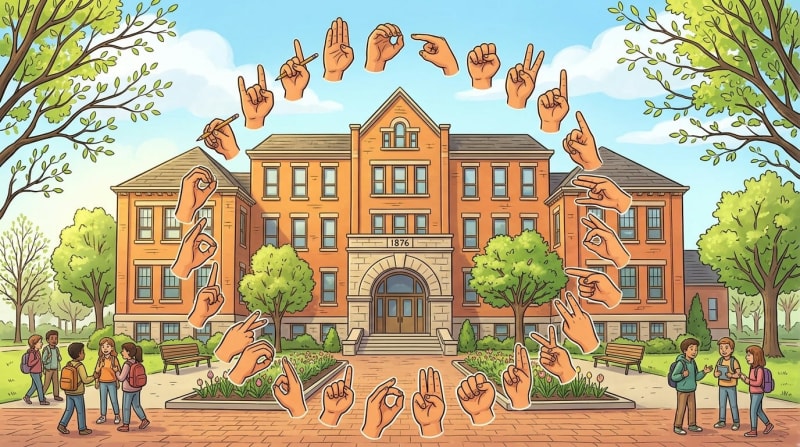
RSD opened in October 1876 and is one of eleven Section 4201 schools established by New York State legislation to educate deaf, blind, and severely physically disabled students — funded through the state but operated independently. The name changed from the Western New York Institution for Deaf Mutes to the Rochester School for the Deaf in 1920. The mission did not.
The school is also where the Rochester Method originated — an educational approach built around fingerspelling that spread into Deaf education programs nationally. A century and a half of continuous operation places RSD among the oldest Deaf schools in the country.
Why Rochester Has One of America's Largest Deaf Communities
Why Rochester Has One of America's Largest Deaf Communities
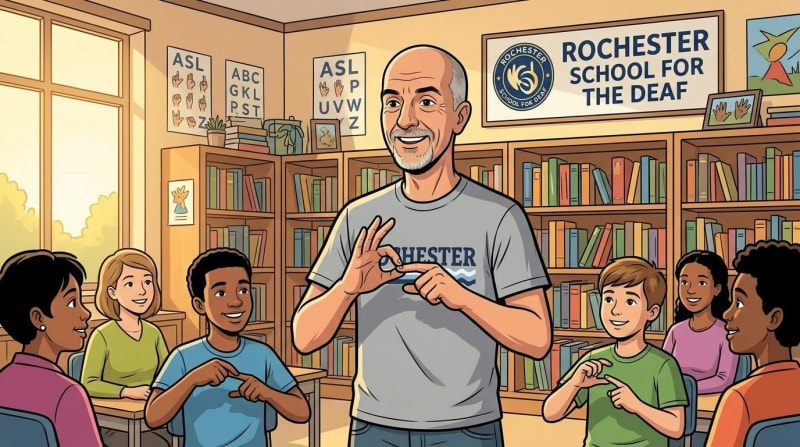
Rochester's Deaf community is one of the largest per capita in the nation, and RSD is a central reason why. The school has anchored Deaf life in this city for 150 years, alongside the National Technical Institute for the Deaf at RIT. Together, these institutions have made Rochester a genuine hub for Deaf culture and American Sign Language across generations.
RSD's bilingual program teaches in both ASL and English, giving students full access to communication from the start. That approach, combined with a school environment where deaf role models are present at every level, produces something alumni describe consistently: a place where belonging came before credentials.
What 150 Years Looks Like in Practice: Alumni Voices
Patti Canne graduated from RSD in 1981 and now works as a social worker at the University of Rochester Medical Center with deaf and hard of hearing patients. "RSD is really my second home," she said. The anniversary celebrations have included alumni-to-student panels — graduates returning to speak directly to current students. Canne's message:
"Preserve Deaf schools. It's incredibly important for students to be at a Deaf school — for deaf students to be at a Deaf school — where they have full access to communication and language at all times."
— Patti Canne, RSD Class of 1981, via WXXI News
Superintendent Antony McLetchie framed the milestone in the school's founding terms: "Our founders understood something that remains fundamental to our mission today: Deaf children deserve an education that recognizes their abilities, honors their language and identity, and opens doors to opportunity."
Why Specialized Deaf Schools Still Matter
Why Specialized Deaf Schools Still Matter
RSD is publicly funded through New York's Section 4201 designation — one of eleven such schools in the state. These schools often operate below the radar in mainstream education conversations, even though they serve students from across their regions.
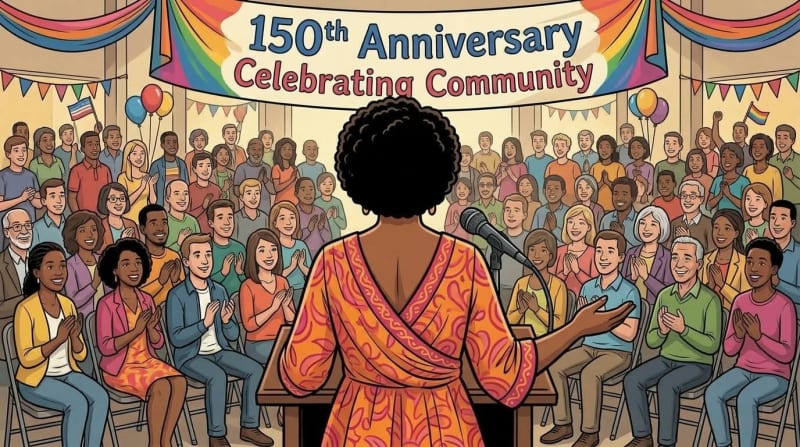
The 150th anniversary is a moment to notice what has been built here. Rochester has a Deaf community of this scale because institutions like RSD gave generations of deaf students access to language, peers, and belonging together. Patti Canne's call to preserve Deaf schools is a description of what has worked here for 150 years.
Anniversary programming continues this fall. Visit rsdeaf.org for current events and celebrations.
Content ID: LOtkRDeHeXeWx6T0dTZmtOSe
See an error? Tell us.
Comments
Share with the Community