Rochester's Case for Public Power Gets New Momentum from Albany
The Short Version
- 29% of Rochester households spend more than 6% of income on energy — the country's fourth-highest energy burden — and that figure predates the most recent rate increases.
- Albany bill A02127, already in committee, would use customer-repaid bonds rather than tax dollars to buy out an investor-owned utility — advocates are pitching it explicitly as a Rochester model.
- Rochester committed $500,000 for a feasibility study in 2023; Monroe County voted 16-13 against co-funding it, and the city's money has been sitting unused ever since.
- The entire Rochester City Council supports the public power effort — every member — but the Monroe County Legislature is the remaining obstacle.
- National data shows public utility bills run 13%–63% cheaper than investor-owned alternatives, which is the dollar range the Monroe County feasibility study would put on the table.
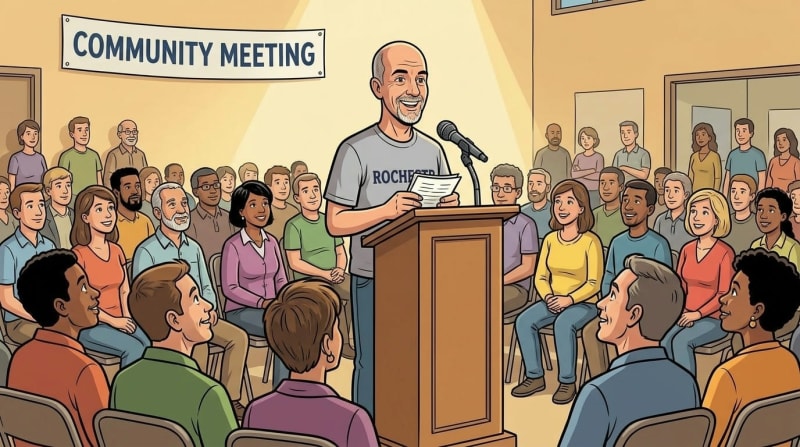
Last Tuesday, a Rochester community room filled up to hear an argument that has been building for years: that Rochester public power is possible, and that Albany might be the path to make it happen.
The meeting, organized by Metro Justice and the local DSA chapter, brought Assemblywoman Sarahana Shrestha and NYC Council Member Chi Ossé to walk through a bill already moving in the state legislature — and to make the case that Rochester should be next. According to the Rochester Beacon, the model would put RG&E under county government control following a feasibility study and a public vote.
What the Albany Bill Would Do
What the Albany Bill Would Do
Shrestha's bill, A02127, would allow the state to purchase Central Hudson Gas and Electric through revenue bonds repaid by ratepayers — not taxes. It's a Hudson Valley bill with an explicit Rochester application. "I just think that Central Hudson and RG&E are the most ripe in the state to go first," Shrestha told the Rochester Beacon at last week's meeting. The bill remains in committee.
Expert testimony cited by the American Public Power Association found that forming a public utility does not require tax increases — publicly owned utilities can borrow at lower cost than investor-owned companies, and they carry no obligation to return profits to shareholders. The savings go back on the bill.
Why Rochester's Energy Bills Are the Argument for Public Power
Why Rochester's Energy Bills Are the Argument for Public Power
The Rochester case for public power starts with a number. According to a 2020 ACEEE study, 29% of Rochester households are energy-burdened — spending more than 6% of income on utility costs — placing the city fourth in the country. That study came before the most recent round of increases.
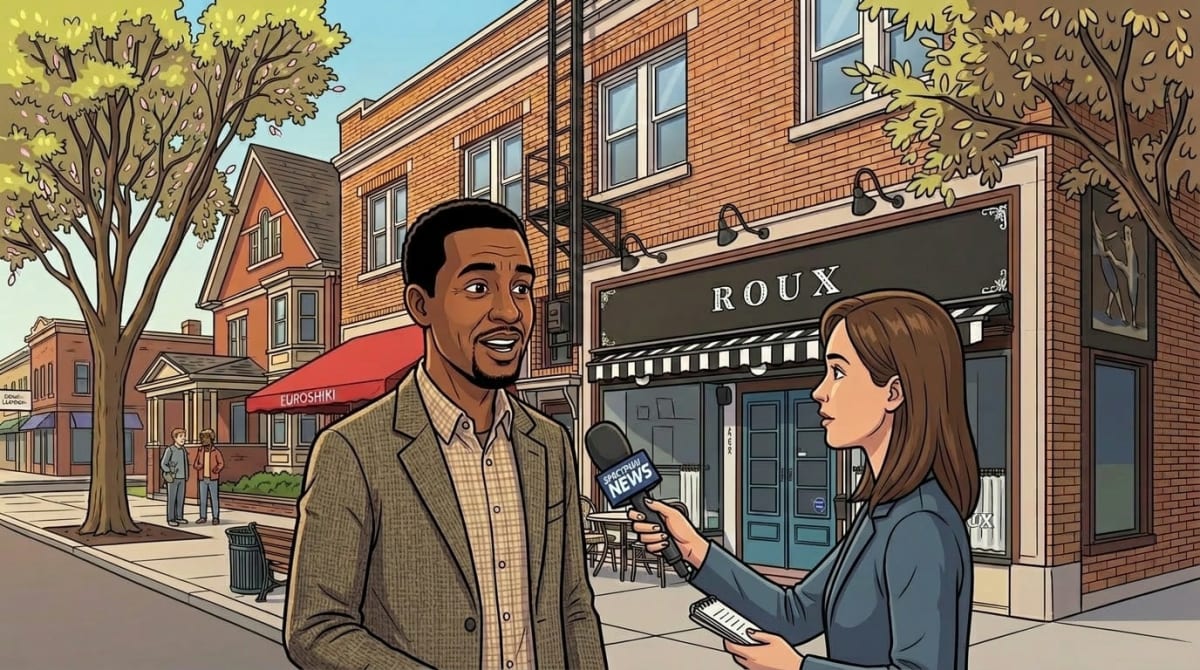
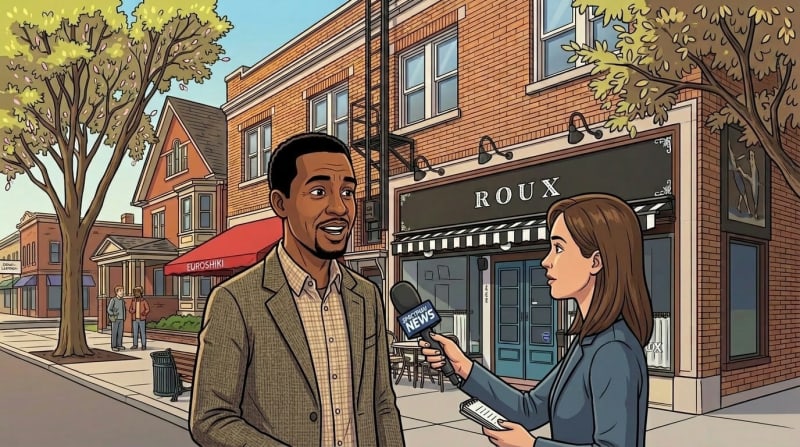
Temporary rate hikes took effect June 1, 2026: a 4.0% annual electric revenue increase for RG&E customers, with a 2.9% impact on typical residential bills. The full rate case is still pending before the PSC. The original rate request would have added $33.12 per month to typical electric bills before the state reduced it. "The cold snap pricing really hit people hard," Metro Justice organizer Carlton Huff told Spectrum News in May. "Then we're likely going to see another round of rate increases." Howard Eagle of F.I.G.H.T. has described it as an affordability crisis.
How It Would Work: Study, Vote, Buyout
How It Would Work: Study, Vote, Buyout
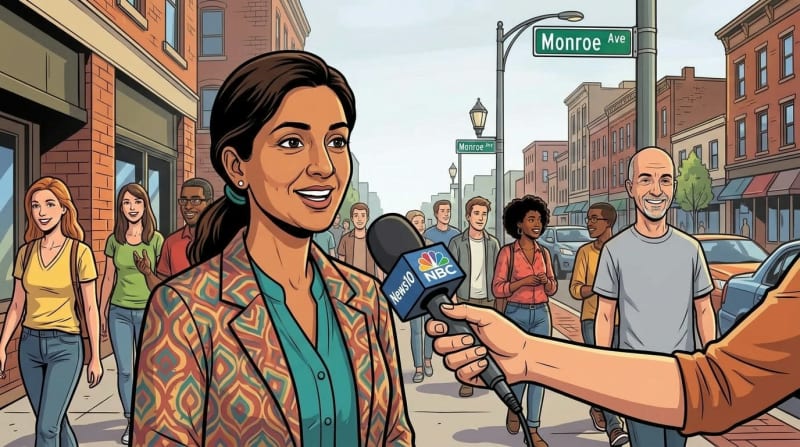
The path advocates describe has three steps: the city and county commission a feasibility study together, residents vote in a referendum, and elected officials negotiate a buyout price with RG&E. "We can do the implementation study, but we want that to be commissioned and funded by the city and Monroe County," Metro Justice Organizing Director Mohini Sharma told News10NBC.
Rochester's city government committed $500,000 in 2023 to fund the study — contingent on Monroe County co-leading. The county voted 16-13 against funding its own $1 million share, leaving the city's money unused. National data shows public utility bills run 13%–63% cheaper than investor-owned alternatives.
The Movement That Has Been Building Here

The Movement That Has Been Building Here
Metro Justice's Rochester for Energy Democracy campaign has collected more than 1,200 petition signatures. F.I.G.H.T. and the Green Party of Monroe County have been organizing community meetings since at least 2025.
City Council Vice President Mary Lupien has said the entire Rochester City Council supports the effort — every elected member. That kind of alignment at the city level is the foundation the campaign needs before a referendum can move. The Monroe County Legislature's 16-13 vote was close, and it isn't the final word.
The petition is open. The city's $500,000 is waiting. The Albany bill is in committee.
Content ID: KLeJNQoVMRoU2RdmIr3ur3JV
See an error? Tell us.
Comments
Share with the Community