Rochester Fringe Festival 2026: How to Navigate 500+ Performances Without Missing the Best Ones
The Short Version
- Rochester Fringe Festival 2026 runs September 15–26 across 19 walkable downtown venues — with 500+ performances and over 100,000 annual attendees, it's one of the largest fringe festivals in North America.
- Roughly half of all Fringe performances are free, anchored by Parcel 5's outdoor stage — a complete evening in the East End costs nothing if you plan around the 7 PM outdoor headliner.
- Popular ticketed shows sell out fast; set a reminder for July when early-bird passes go on sale, and use the Fringe app to build a shortlist before the lineup drops in late June.
- Shows sharpen across their run — the strongest performances tend to happen Thursday through Saturday of the final weekend, which is when experienced attendees leave flexibility in their calendars.
- Rochester-based companies consistently generate the most sustained post-festival conversation; local acts are worth prioritizing over imported headliners for community resonance.
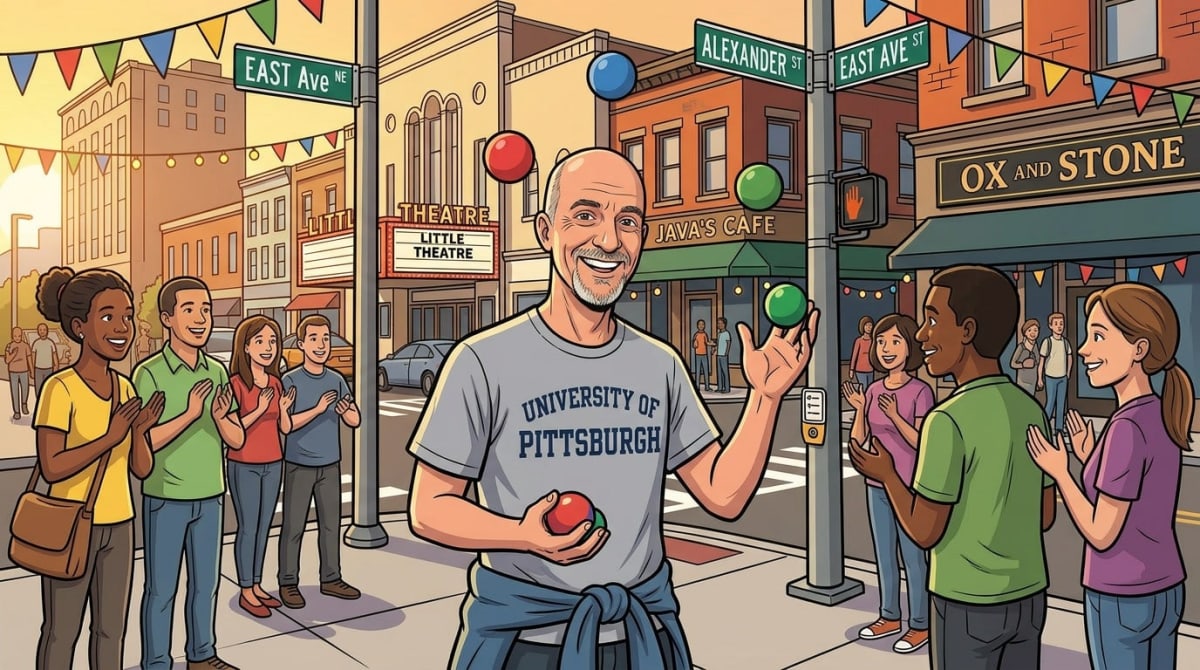
September in Rochester belongs to the Fringe. For eleven days, the East End transforms into something singular — parking garages become backstage areas, sidewalks host spontaneous juggling acts, and the line outside a black-box theater at 9 PM on a Tuesday tells you everything you need to know about this city's relationship with live performance.
Rochester Fringe Festival runs September 15–26, 2026, spreading more than 500 performances across 19 venues in a tight downtown corridor. That number — 500-plus shows in 11 days — is either exciting or paralyzing depending on your approach. This is a guide for the people who want the former.
What Is Rochester Fringe Festival?
What Is Rochester Fringe Festival?
Rochester Fringe launched in 2012 with a straightforward premise: bring the fringe festival model — scrappy, uncurated, anything-goes — to downtown Rochester and see what the city would do with it. What happened was one of the fastest-growing arts festivals in North America. According to the festival, annual attendance now exceeds 100,000 people, placing Rochester in the same conversation as the continent's most established fringe events.
For scale: Edinburgh Festival Fringe, launched in 1947 and widely regarded as the world's largest arts festival, draws upward of 3 million visitors each year. Rochester, entering its second decade, has built something with staying power. Here's how it compares to other major North American fringe events — figures drawn from each festival's publicly reported attendance via Toronto Fringe, Calgary Fringe, and Hollywood Fringe:
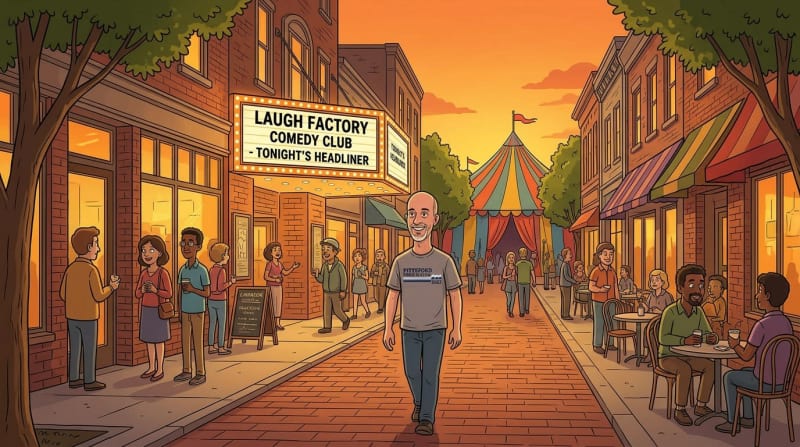
The 19 venues are concentrated in a walkable corridor — the East End, Parcel 5, and the surrounding streets — which means the festival doesn't scatter across the city. You can be at a comedy show at 7 PM, grab a drink on the walk, and arrive at a circus performance by 9 PM without touching your car. That geography is one of the Fringe's best-kept logistics secrets.
The free vs. ticketed split matters more than most first-timers realize. Roughly half of all performances — outdoor shows at Parcel 5 and street-level pop-up acts throughout the corridor — cost nothing. The ticketed half typically runs $10–$20 per show. You can have a genuinely full Fringe experience without spending a dollar, or you can build a curated calendar of ticketed shows you've been tracking since June. Most regulars do both.
How the Lineup Works (and When to Buy Tickets)
How the Lineup Works (and When to Buy Tickets)
The full Rochester Fringe Festival 2026 lineup won't be announced until late June. That's the nature of the format — acts apply, the festival curates, and the schedule drops on a rolling basis through early summer. Early-bird passes typically go on sale in July via the Rochester Fringe ticketing portal, and the window between "lineup announced" and "popular shows sold out" is shorter every year.
Rochesterfringe.com organizes programming into distinct categories: theater, dance, comedy, music and cabaret, circus and acrobatics, family, and multi-disciplinary. Based on the festival's historical programming distribution, theater and music/cabaret consistently represent the largest share of the schedule — while circus and family programming book out fastest for their time slots despite smaller raw numbers.
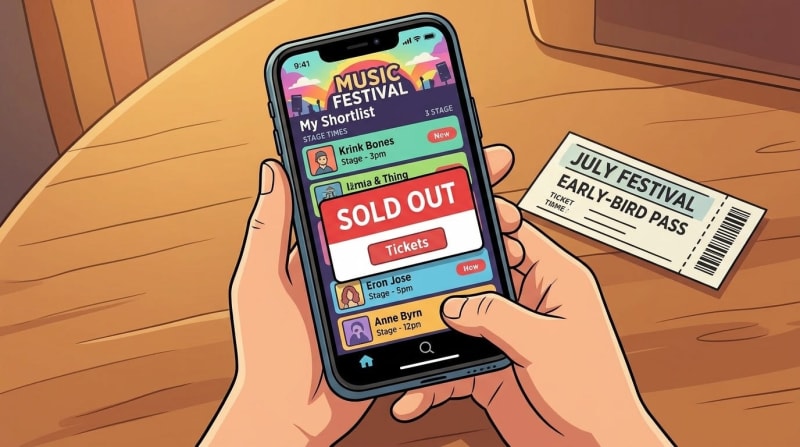
Most ticketed shows run three to five performances across the 11-day run. If opening night sells out — and for the most anticipated shows, it will — check remaining performances immediately. Availability reopens midweek as schedules shift. The Fringe app (iOS and Android) shows real-time ticket availability and supports category and venue filters; building a shortlist before passes go on sale in July is the move that separates first-timers from regulars.
Here's what to expect on the ticket pricing spectrum, based on Rochester Fringe's published ticketing tiers:
The one-week warning: if there are three shows you'd genuinely be upset to miss, buy those tickets by day seven of the festival at the latest. The final weekend is when demand surges and second-chance availability disappears.
The Free Fringe: How to Build a Night Around Parcel 5
The Free Fringe: How to Build a Night Around Parcel 5
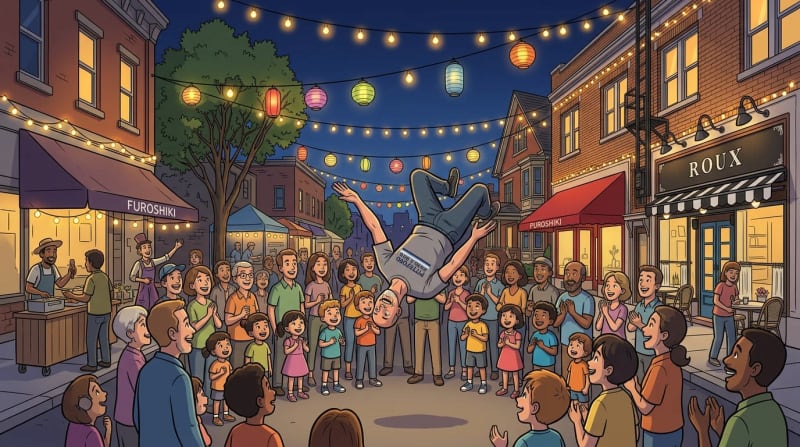
Parcel 5 is a 2.5-acre urban clearing tucked into the East End corridor — the kind of public space most cities don't figure out how to use well, and that Rochester has turned into the beating heart of Fringe week. Rochester City Newspaper has documented Parcel 5's role as the festival's outdoor anchor year after year: a main stage, substantial open-air capacity, and free admission for everyone who shows up.
Free performances represent roughly half the total festival programming. That's not an asterisk — it's the Fringe's civic commitment to the city.
The timing play for a complete Fringe night runs like this: arrive at Parcel 5 by 6:30 PM and position yourself for the outdoor headliner. Most outdoor sets run 45–60 minutes. By 8:15 or 8:30, you have a clear runway to walk to a 9 PM ticketed show at Auditorium Theatre, MuCCC, Downstairs Cabaret, or one of the black-box spaces along Gibbs Street. You've had a full evening by 10:30 and spent nothing on the outdoor half.
The street performers working the corridor between Parcel 5 and nearby venues are their own category of discovery. Some of the best moments at any fringe festival aren't on a stage — they're the acrobat who's drawn a thirty-person crowd on a sidewalk, the musician playing to twenty people who'll be gone in forty-five minutes. That spontaneity is what makes the Fringe feel different from a festival with a printed grid.
What does it mean that the best seat at one of North America's largest fringe festivals is free? What does it say about a city that 100,000 people show up anyway?
Finding the Breakout Shows Before Everyone Else
Finding the Breakout Shows Before Everyone Else
Every year, two or three Rochester Fringe shows become the things everyone wishes they'd seen in time. By Thursday of the second week, they're sold out for remaining performances and the city's arts community is talking about nothing else. The question is whether you catch them early.
The late-week advantage is real. Performers sharpen across a run — the rough edges from opening night get filed down, crowd connection deepens, pacing tightens. Shows on Thursday through Saturday of the final weekend tend to be the strongest performances of the entire run. Experienced Fringe attendees don't front-load their calendars. They leave flexibility for the second week, trusting that the schedule will tell them what to see.
For catching what's breaking through before reviews land, the Rochester Fringe Facebook community and the r/Rochester subreddit are where word of mouth travels fastest. Within 24 hours of a standout performance, you'll see posts. The Fringe app's ratings function serves the same purpose — a show that's been running two days and accumulating five-star reviews from strangers is worth your attention before it sells out.
The local angle deserves more credit than it usually gets. Rochester-based theater companies, dance collectives, and performers are playing for their own community, in their own city, to people who might see them at the farmer's market next weekend. That investment shows in the work. Rochester City Newspaper has consistently found that ROC-based acts generate the most sustained post-festival conversation — precisely because those connections don't disappear when the tent comes down.
"The best Fringe show you'll see is probably not the one on everyone's list. It's the one you walked into because the schedule had a gap and the title made you curious."
Practical Guide: Parking, Food, and Making a Night of It
Practical Guide: Parking, Food, and Making a Night of It
The East End corridor is walkable once you're in it. Getting there is the planning piece. The Chestnut Street parking garage — a short walk from Parcel 5 and the main cluster of ticketed venues — is the most convenient option and tends to fill quickly after 6:30 PM on weeknights, faster on weekends. For a 7 PM show, target the garage by 6:15.
Street parking opens on residential streets east of Goodman and south of Monroe before 6 PM and offers a free, walkable route into the festival footprint. The tradeoff is the walk back after a late show — though in practice, the East End after a good Fringe performance is exactly the kind of walk you want to take.
Dinner timing: the East End has restaurants that have been packing pre-show diners for Fringe week for years. If you're doing a ticketed 7 PM show, book a 5:30 or 6 PM reservation. The post-show bar crawl along Alexander Street is its own tradition — the neighborhood stays lively well past the last curtain.
Kid-friendly programming runs through family matinee blocks, typically in late mornings and early afternoons. Circus and acrobatics shows are the category most reliably engaging for families with children ages 6 and up — high visual impact, minimal dialog complexity. The Fringe's family programming page notes recommended age ranges for shows in the family category; check it before buying tickets for children under 10.
Rochester Fringe Festival is, at its core, an infrastructure for connection. The 500-plus shows are the occasion. What happens in between — on the Parcel 5 lawn, in the lobby after something unexpected moved you, at the food cart at 10 PM talking to strangers about what you just saw — is the whole point.
Come for a show. Stay for what happens next. The East End in September belongs to all of us.
Content ID: PjYrfUN8SdmZouUnHUNGdAL1
See an error? Tell us.

Comments
Share with the Community