RIT Students Win Microsoft Hackathon with First-Place AI Shopping Solution
The Short Version
- Team 'Los Tigres de RIT' nearly didn't get into the competition — Denise Reyes Lujan got the team in by reaching out to organizers on LinkedIn after they missed the application deadline.
- Their solution, Align Buddy, adds a consumer-preference check to agentic commerce transactions before payment clears — built to complement Mastercard's Agent Pay infrastructure already running in live markets.
- 42% of consumers fear losing control over what AI shopping agents buy on their behalf, and 28% cite a lack of transparency — the two gaps Align Buddy was specifically designed to close.
- Mastercard Agent Pay has already completed authenticated agentic transactions in New Zealand — a Westpac debit card purchasing cinema tickets, with every party in the payment chain able to verify the agent initiated it.
- After winning, professionals from Microsoft, Mastercard, EY, and GitHub handed the team their LinkedIn contacts and said they want to hire people who can interpret data, build models, and solve exactly this kind of problem.
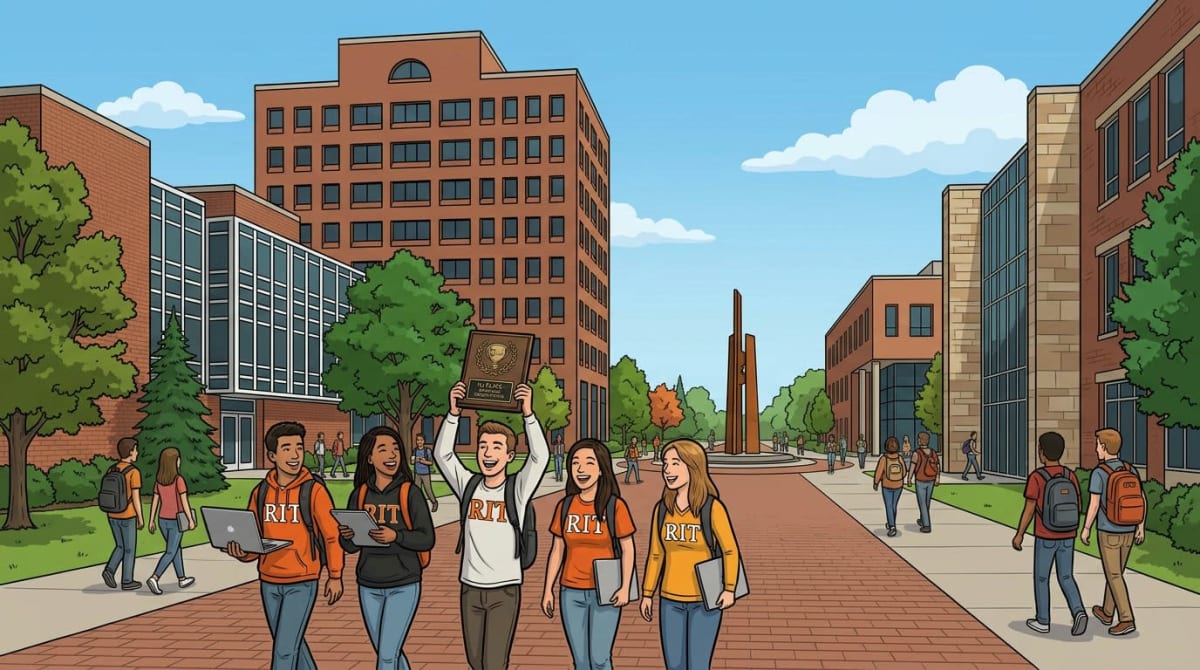
Five RIT students won first place at a Microsoft hackathon in New York City, beating more than 1,000 applicants with an AI tool built for a specific gap in agentic commerce: the moment when a shopping agent finalizes a purchase the customer didn't actually want.
Five RIT Students Beat 1,000+ Applicants at Microsoft's Times Square HQ
Five RIT Students Beat 1,000+ Applicants at Microsoft's Times Square HQ
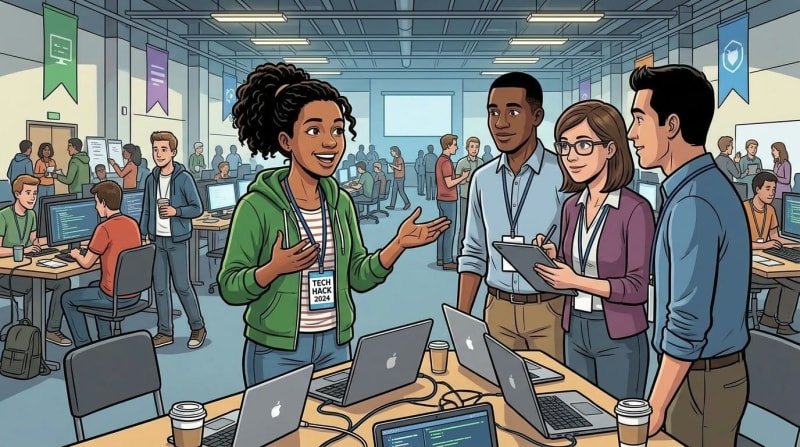
Team "Los Tigres de RIT" — five students across computer science, software engineering, computer engineering, and electrical engineering — were selected as one of 17 finalists from more than 1,000 applications at LEAD Aspire 2026. The eight-hour competition took place at Microsoft's Times Square headquarters, with finalists working alongside professionals from Microsoft, Mastercard, EY, and GitHub to take a real business challenge from first conversation to working solution in a single day.
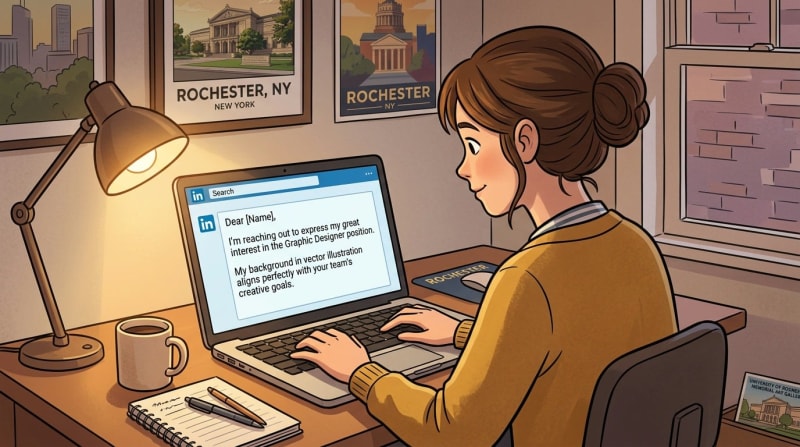
They almost didn't make the room. After the team missed the application deadline, Denise Reyes Lujan reached out directly to competition organizers on LinkedIn. Organizers said they admired her initiative and admitted the team.
What Align Buddy Does — and Why Judges Picked the RIT Students' Solution
What Align Buddy Does — and Why Judges Picked the RIT Students' Solution
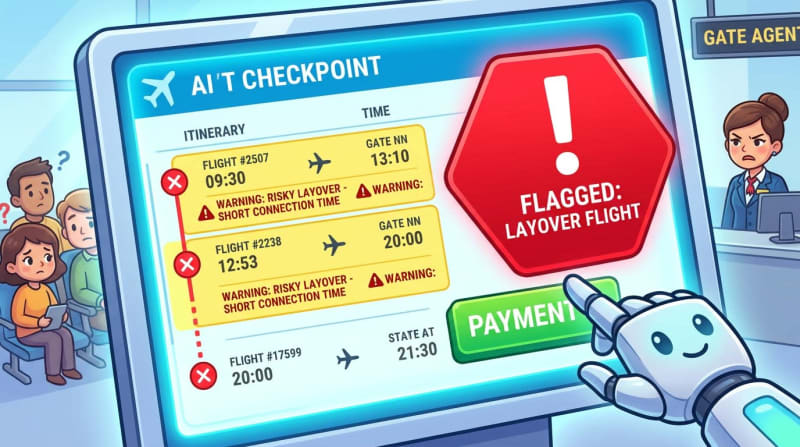
Their solution is called Align Buddy. It acts as a checkpoint between an AI shopping agent and the payment step. Before any purchase is finalized, it checks whether the item matches what the customer actually wanted, whether the agent chose the best available option, and whether the customer is really the one authorizing the transaction.
They designed it to work alongside Mastercard's existing Agent Pay framework — infrastructure already governing authenticated AI shopping agent transactions in live markets. The team's example from their pitch: if you consistently book nonstop flights, Align Buddy flags a layover itinerary before the agent pays for it.
Reyes Lujan described the advice that shaped their approach: a Mastercard product manager told the team during the competition that the best ideas are things "they can easily implement — or fit in with — what they currently have." The team built Align Buddy to that standard.
The Trust Problem That Made This Win Matter Beyond the Trophy
The Trust Problem That Made This Win Matter Beyond the Trophy
The gap they identified is documented. Checkout.com's 2026 analysis found that 42% of consumers fear losing control over what an AI agent purchases on their behalf, and 28% cite a lack of transparency as a barrier to trusting AI shopping systems. Align Buddy was designed to close both.
The commerce infrastructure these agents run on is already live. Mastercard Agent Pay has completed authenticated AI-initiated transactions in New Zealand — a Westpac-issued debit card purchasing cinema tickets, with every party from issuer to merchant able to see that an agent made the purchase. The preference-check layer is what gets built on top.
After the award, professionals from Microsoft, Mastercard, EY, and GitHub handed the team their LinkedIn contacts. Team member Gesem Mejia relayed what they heard from across the floor: "We want people who know how to interpret data, build models, and solve these types of problems."
The five RIT students flew to Times Square for eight hours and came home with first place and a contact list from every company in the room.
Content ID: cpb3sNXrv8PtHqNdG40oykMN
See an error? Tell us.


Comments
Share with the Community