Rochester Is Planting a Forest on a Parking Lot — And It Could Change How the City Thinks About Green Space
The Short Version
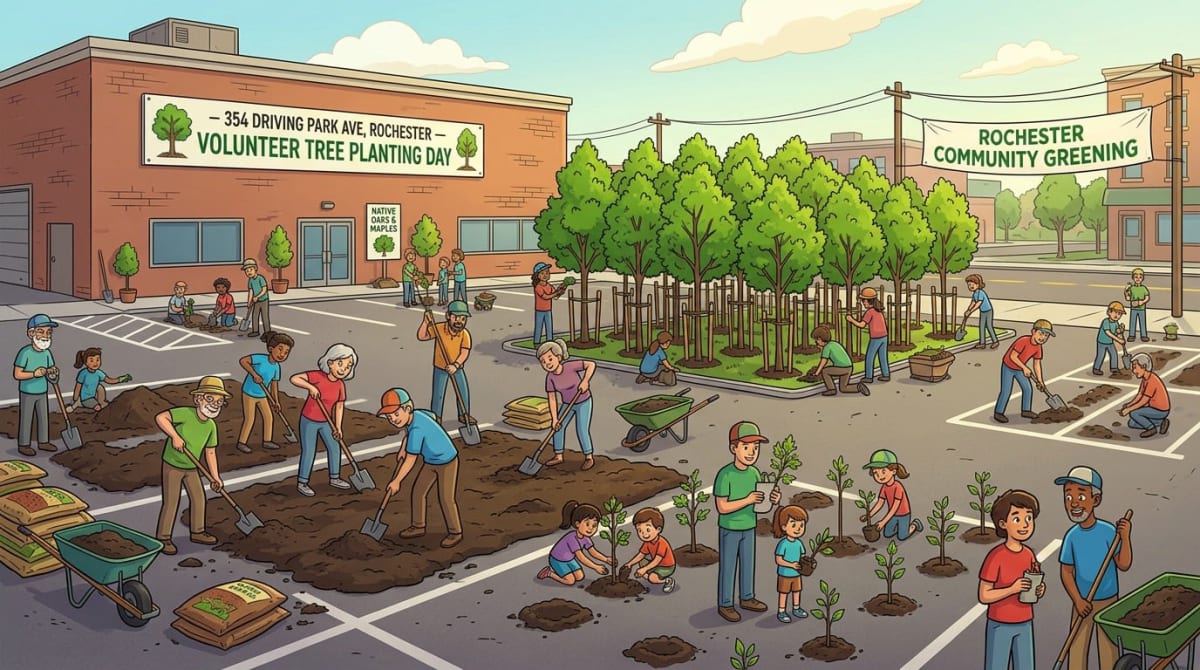
- Rochester is turning a vacant parking lot at 354 Driving Park Ave into a dense native forest — more than 600 trees and shrubs across 30 species, all native to the Finger Lakes region.
- The Miyawaki method plants saplings at high density so they compete and grow faster; this forest should look mature within a decade and needs no maintenance after its first three years.
- Tree canopy in Rochester tracks closely with income — neighborhoods with less cover run hotter and have worse air quality, and this project is a direct answer to that gap.
- Mayor Evans has committed to planting 6,000 trees across Rochester; Monroe plans to have local universities measure temperature and air quality here to build the case for future plantings.
- Community planting begins spring 2027; Monroe is working with local schools, afterschool programs, and Indigenous communities in the region to make the planting day a neighborhood event.
There's a parking lot at 354 Driving Park Ave in Rochester's Northwest district that is becoming a forest. Not a garden, not a few ornamental trees along a fence line. A dense native forest — more than 600 trees and shrubs across 30 species — growing where cars used to park. The city began work on this Rochester urban forest project this month, with community planting scheduled for spring 2027.
What the Miyawaki Method Is — and Why It Works So Fast
What the Miyawaki Method Is — and Why It Works So Fast
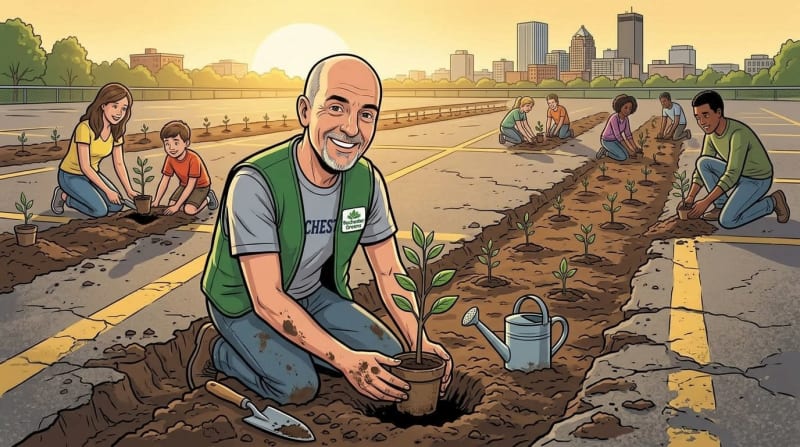
The technique comes from Akira Miyawaki, a Japanese botanist who developed it in the 1970s. The principle is counterintuitive: plant native saplings at high density so they compete for sunlight and space from day one. That competition drives growth far faster than conventional planting produces.
The saplings at Driving Park will be just 12 to 18 inches tall when they go in the ground. Within five to ten years, the site should look like mature woodland. In 30 years, the project will have developed into a 100-year canopy. And then it largely takes care of itself — the forest needs watering and tending only in the first three years, then becomes self-sufficient. For a city forestry program, that's an unusually short obligation for a permanent payoff.
Where This Is Happening — and Who Made It Possible
Where This Is Happening — and Who Made It Possible
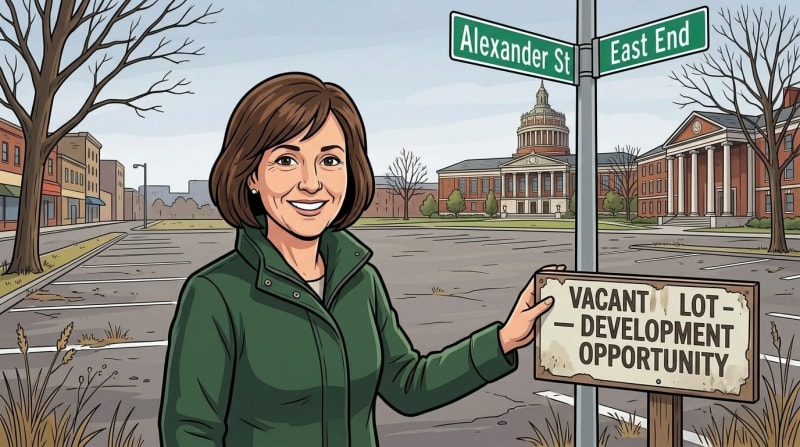
The site is city-owned land near the corner of Dewey and Driving Park — a vacant parking lot sitting unused in one of Rochester's most active neighborhoods. Councilmember Bridget Monroe of Rochester's Northwest district introduced the project, making it a centerpiece of her push to reimagine what the city's underused parcels can become. The 30 species selected all occur naturally in Rochester and the surrounding Finger Lakes region: nothing exotic, nothing that won't root and survive a Western New York winter.
"Bringing more greenery to people improves the quality of their life."
— Councilmember Bridget Monroe, Rochester Beacon, September 2026
Tree Equity: Why Not Every Rochester Neighborhood Has Equal Green Space
Tree Equity: Why Not Every Rochester Neighborhood Has Equal Green Space
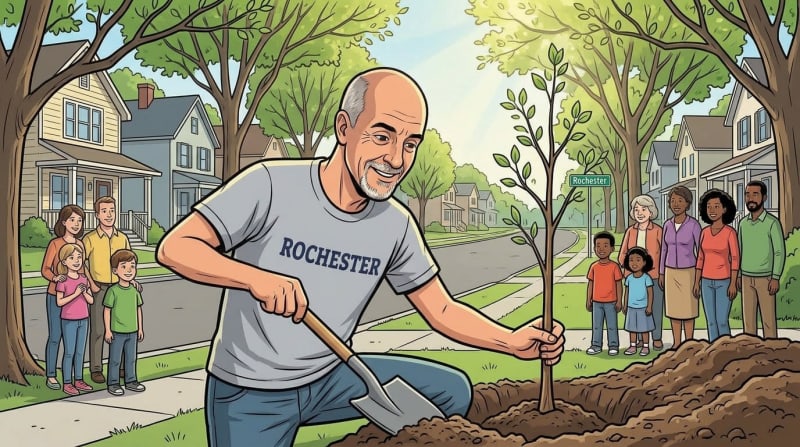
Rochester's tree canopy is not evenly distributed. Neighborhoods with less cover run measurably hotter in summer and have worse air quality, and those neighborhoods track predictably with income. The Driving Park project is a direct answer to that pattern, responding to the city's Climate Action Plan targets around urban heat and air quality. It also connects to Mayor Evans' commitment to plant 6,000 more trees across Rochester — part of a broader city effort to make sure the health, cooling, and economic benefits of green space reach every neighborhood. Monroe plans to work with local universities to measure surface temperature and air quality before and after the forest matures, turning this site into a data point that can inform every future planting across the city.
How to Get Involved — and What Happens Next
How to Get Involved — and What Happens Next
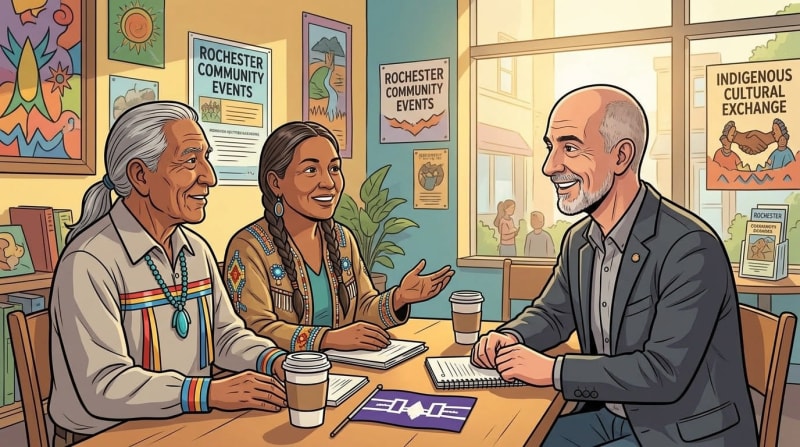
The site is in preparation now. Monroe is in conversation with Indigenous communities in the region about a traditional ceremony before planting, and is working with local schools and afterschool programs near the site to bring student volunteers to the planting day. Residents who want to follow along or get involved can connect through Councilmember Monroe's office in Rochester's Northwest district. Community planting begins spring 2027.
Content ID: NS7PunZdeJ0vUJPpTnlc7gcA
See an error? Tell us.

Comments
Share with the Community