

Wilmot Cancer Institute Wins $3M NCI Grant to Study How Pancreatic Cancer Hides From the Immune System
The Short Version
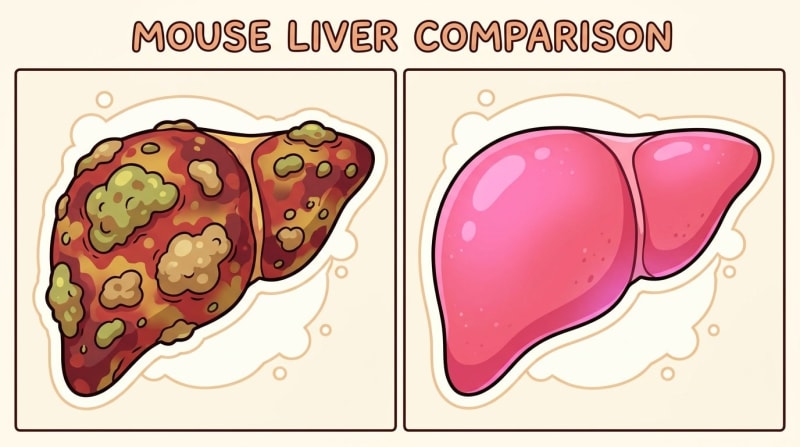
- In mouse models, disabling the Dec2 gene in tumor cells cut liver metastasis from more than 60% of liver area to less than 1%, and pushed median survival past the study's endpoint.
- Wilmot Cancer Institute received a $3 million U01 grant from the NCI's Metastasis Research Network to study how pancreatic cancer cells use their biological clock to evade the immune system.
- The five-year survival rate for pancreatic cancer sits at 13% — unchanged for the third consecutive year — while all cancers combined have reached 70%.
- MHC-I, the molecular flag the immune system uses to detect cancer, fluctuates in anti-phase with the Dec2 gene — meaning cancer cells are literally more visible to killer T cells at certain hours of the day.
- The Wilmot team calls these research leads, not treatments — but a surgical oncologist, a circadian biologist, and an epigenetics expert converging on the same gene is exactly what the NCI funded.
A surgeon, a circadian biologist, and an epigenetics expert realized they were studying the same problem from three different directions. That convergence earned Wilmot Cancer Institute at the University of Rochester a $3 million U01 grant from the National Cancer Institute — one of the most competitive funding mechanisms in cancer research — to study how pancreatic cancer cells use their own biological clock to hide from the immune system and spread through the body.
Three Researchers, One Unexpected Connection

Three Researchers, One Unexpected Connection
Darren Carpizo is a surgical oncologist. Brian Altman studies circadian biology. Paula Vertino is an epigenetics expert. At Wilmot, their separate discoveries pointed at the same gene, and the NCI's Metastasis Research Network funded the collaboration to find out what that gene actually does.
"No one of us would've received the grant without the other two," Vertino said.
The grant funds two specific research aims: how the biological clock within cancer cells assists in the spread of cancer, and how the circadian system suppresses the immune signals that let killer T cells recognize threats. It is a rare case of three disciplines converging on a single, testable question.
How a Cancer Cell's Clock Helps It Hide From the Immune System
How a Cancer Cell's Clock Helps It Hide From the Immune System
The gene at the center of this research is Dec2. It runs on a 24-hour cycle inside pancreatic tumor cells — and when Dec2 expression is high, it drives immune evasion by suppressing MHC-I levels on the cell surface. MHC-I is the molecular flag the immune system uses to identify and destroy abnormal cells. A cancer cell with suppressed MHC-I is, effectively, invisible to killer T cells.
What makes this finding actionable is that MHC-I levels fluctuate in anti-phase with Dec2 — cancer cells are measurably more detectable at some hours of the day than others. The team published these findings in Developmental Cell. When researchers knocked out Dec2 in mouse tumor cells, liver metastasis dropped from more than 60% of liver area to less than 1%. Median survival in control mice was 193 days. Median survival in Dec2-knockout mice was not reached by the study's endpoint.
Why Pancreatic Cancer Remains the Deadliest Major Cancer

Why Pancreatic Cancer Remains the Deadliest Major Cancer
According to the Pancreatic Cancer Action Network, the five-year survival rate for pancreatic cancer sits at 13% — unchanged for the third consecutive year — while survival for all cancers combined has reached 70%. In 2026, an estimated 67,530 Americans will be diagnosed and 52,740 are expected to die from the disease. Unlike breast, colon, or lung cancer, there is no early-detection screening test for the general population.
That gap — 13% versus 70% — explains why research into metastasis and immune evasion matters so much here. Most patients reach diagnosis with advanced disease. The mechanisms this team is studying are the ones that allowed the cancer to spread before anyone knew it was there.
What Better-Timed Treatment Could Mean for Patients

What Better-Timed Treatment Could Mean for Patients
If Dec2's daily cycle determines when cancer cells are visible to the immune system, the next question is whether immunotherapy administered at specific times of day — when Dec2 is low and MHC-I is high — could produce meaningfully better outcomes. The Wilmot team has been explicit that these are research leads, not established treatments.
Rochester has a direct stake in what comes next. The research is happening at Wilmot, led by a team that built its case from the lab up. Pancreatic cancer's survival rate has not moved in three years. Dec2 is now a named target.
Content ID: KCPNxX9wF5Amm8tAp6Kv6tpl
See an error? Tell us.



Comments
Share with the Community